Bricks, Beads and Bones (The Harappan Civilization)
CBSE · Class 12 · History
Summary of Bricks, Beads and Bones (The Harappan Civilization) for CBSE Class 12 History. Key concepts, important points, and chapter overview.
Interactive on Super Tutor
Studying Bricks, Beads and Bones (The Harappan Civilization)? Get the full interactive chapter.
Quizzes, flashcards, AI doubt-solver and a step-by-step study plan — built for chapter summary and more.
1,000+ Class 12 students started this chapter today
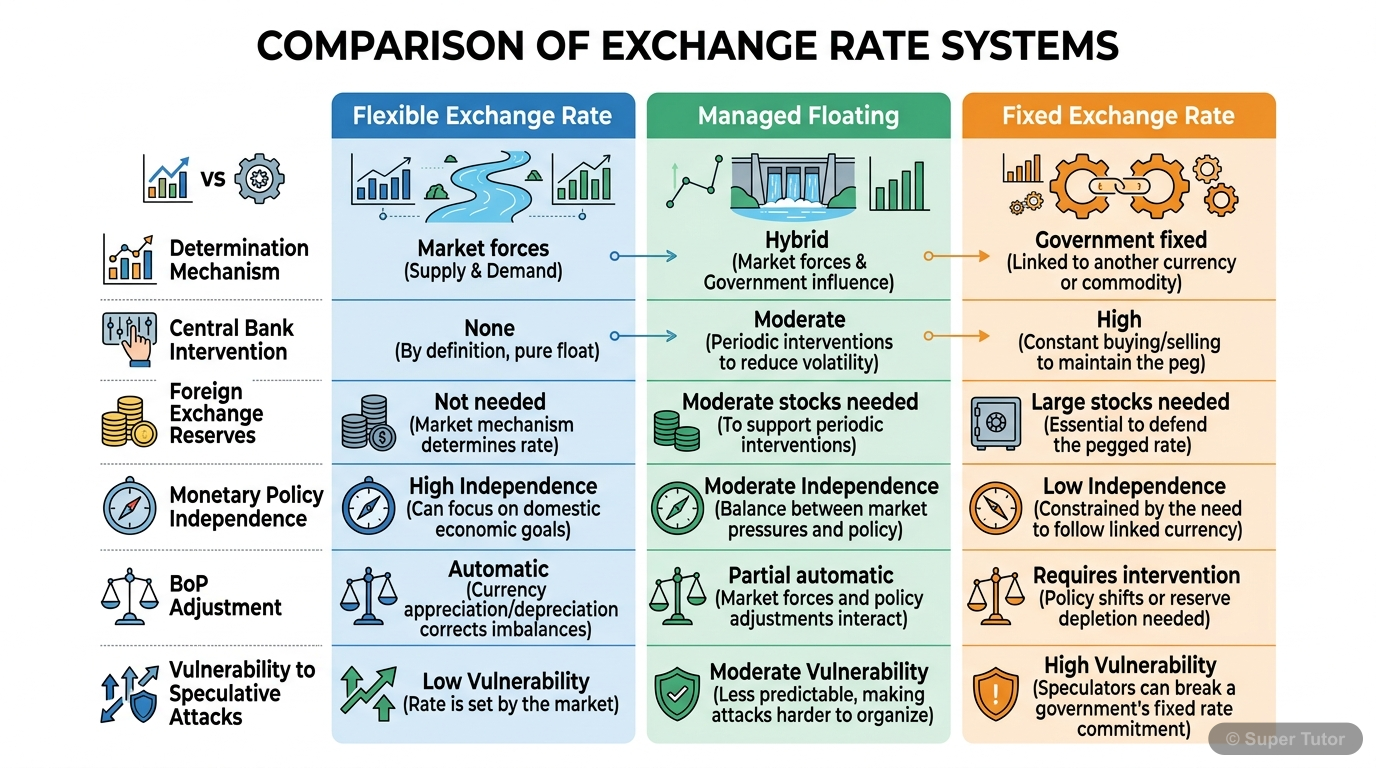
Super Tutor has 9+ illustrations like this for Bricks, Beads and Bones (The Harappan Civilization) alone — flashcards, concept maps, and step-by-step visuals.
See them allOverview
The Harappan or Indus Valley Civilization stands as one of the world's earliest urban civilizations, flourishing between 2600-1900 BCE. Known through archaeological evidence rather than written records, this civilization reveals a sophisticated society with advanced urban planning, extensive trade n
Key Concepts
The Harappan Civilization is divided into
The Harappan Civilization is divided into three phases: Early Harappan (6000-2600 BCE) - formative phase with farming communities; Mature Harappan (26
Harappan cities like Mohenjodaro featured sophisticated
Harappan cities like Mohenjodaro featured sophisticated planning with a Citadel (higher, smaller section) and Lower Town (larger residential area). Ci
The most distinctive feature was
The most distinctive feature was the carefully planned drainage system. Streets were laid out first with drains, then houses built along them. Every h
Harappans cultivated wheat
Harappans cultivated wheat, barley, lentils, chickpea, sesame, and millets. They domesticated cattle, sheep, goats, buffalo, and pigs. Evidence sugges
Specialized craft centers like Chanhudaro produced
Specialized craft centers like Chanhudaro produced beads, shells, metals, and seals. Raw materials were sourced from distant regions - lapis lazuli fr
Learning Objectives
- Understand the chronology and geographical extent of the Harappan Civilization
- Analyze the urban planning and architectural features of Harappan cities
- Examine the economic activities including agriculture, crafts, and trade
- Evaluate the social organization and cultural practices of the Harappans
- Appreciate the methods of archaeological interpretation and their limitations
Frequently Asked Questions
What are the important topics in Bricks, Beads and Bones (The Harappan Civilization) for CBSE Class 12 History?
How to score full marks in Bricks, Beads and Bones (The Harappan Civilization) — CBSE Class 12 History?
Sources & Official References
- NCERT Official — ncert.nic.in
- CBSE Academic — cbseacademic.nic.in
- CBSE Official — cbse.gov.in
- National Education Policy 2020 — education.gov.in
Content is aligned to the official syllabus. Refer to the board website for the latest curriculum.
More resources for Bricks, Beads and Bones (The Harappan Civilization)
Important Questions
Practice with board exam-style questions
Syllabus
What topics to cover
Revision Notes
Key points for last-minute revision
Study Plan
Step-by-step plan to ace this chapter
Flashcards
Quick-fire cards for active recall
Formula Sheet
All formulas in one place
Practice Quiz
Test yourself with a quick quiz
Concept Maps
See how topics connect visually
For serious students
Get the full Bricks, Beads and Bones (The Harappan Civilization) chapter — for free.
Quizzes, flashcards, AI doubt-solver and a step-by-step study plan for CBSE Class 12 History.