Bricks, Beads and Bones (The Harappan Civilization)
CBSE · Class 12 · History
Quick revision notes for Bricks, Beads and Bones (The Harappan Civilization) — CBSE Class 12 History. Key concepts, formulas, and definitions for last-minute revision.
Interactive on Super Tutor
Studying Bricks, Beads and Bones (The Harappan Civilization)? Get the full interactive chapter.
Quizzes, flashcards, AI doubt-solver and a step-by-step study plan — built for revision notes and more.
1,000+ Class 12 students started this chapter today
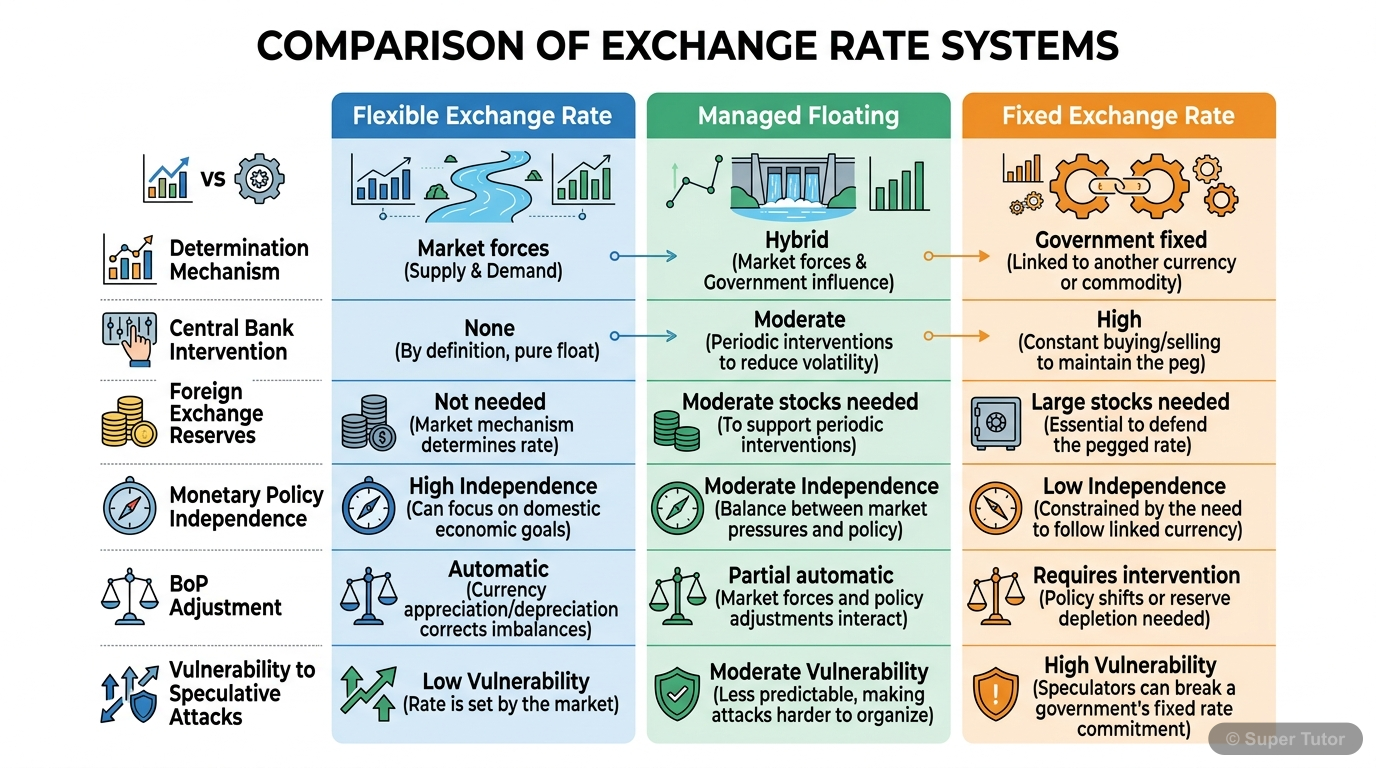
Super Tutor has 9+ illustrations like this for Bricks, Beads and Bones (The Harappan Civilization) alone — flashcards, concept maps, and step-by-step visuals.
See them allKey Topics to Revise
Timeline and Terminology
- Total time span: 6000 BCE to 1300 BCE
- Early Harappan (6000 BCE - 2600 BCE): Formative phase with small settlements
- Mature Harappan (2600 BCE - 1900 BCE): Urban phase with planned cities
Geographical Extent and Sites
- Over 2000 Harappan sites discovered in Indian subcontinent
- Most sites located between Indus and Saraswati river basins
- Two-thirds of settlements in Saraswati basin showing its importance
Agriculture and Food Production
- Grains found: wheat, barley, lentil, chickpea, sesame, millets (Gujarat), rice (rare)
- Domesticated animals: cattle, sheep, goat, buffalo, pig
- Wild animals: boar, deer, gharial (hunted or obtained from hunters)
Urban Planning and Architecture
- Standardized bricks: length and breadth were 4 times and 2 times the height respectively
- City layout: Citadel (smaller, higher) and Lower Town (larger, lower)
- Grid pattern streets intersecting at right angles
Get complete notes with diagrams and examples
Full NotesKey Concepts
Frequently Asked Questions
What are the important topics in Bricks, Beads and Bones (The Harappan Civilization) for CBSE Class 12 History?
How to score full marks in Bricks, Beads and Bones (The Harappan Civilization) — CBSE Class 12 History?
Sources & Official References
- NCERT Official — ncert.nic.in
- CBSE Academic — cbseacademic.nic.in
- CBSE Official — cbse.gov.in
- National Education Policy 2020 — education.gov.in
Content is aligned to the official syllabus. Refer to the board website for the latest curriculum.
More resources for Bricks, Beads and Bones (The Harappan Civilization)
Important Questions
Practice with board exam-style questions
Syllabus
What topics to cover
Study Plan
Step-by-step plan to ace this chapter
Flashcards
Quick-fire cards for active recall
Formula Sheet
All formulas in one place
Chapter Summary
Understand the chapter at a glance
Practice Quiz
Test yourself with a quick quiz
Concept Maps
See how topics connect visually
For serious students
Get the full Bricks, Beads and Bones (The Harappan Civilization) chapter — for free.
Quizzes, flashcards, AI doubt-solver and a step-by-step study plan for CBSE Class 12 History.