Bricks, Beads and Bones (The Harappan Civilization)
Madhya Pradesh Board · Class 12 · History
Flashcards for Bricks, Beads and Bones (The Harappan Civilization) — Madhya Pradesh Board Class 12 History. Quick Q&A cards covering key concepts, definitions, and formulas.
Interactive on Super Tutor
Studying Bricks, Beads and Bones (The Harappan Civilization)? Get the full interactive chapter.
Quizzes, flashcards, AI doubt-solver and a step-by-step study plan — built for flashcards and more.
1,000+ Class 12 students started this chapter today
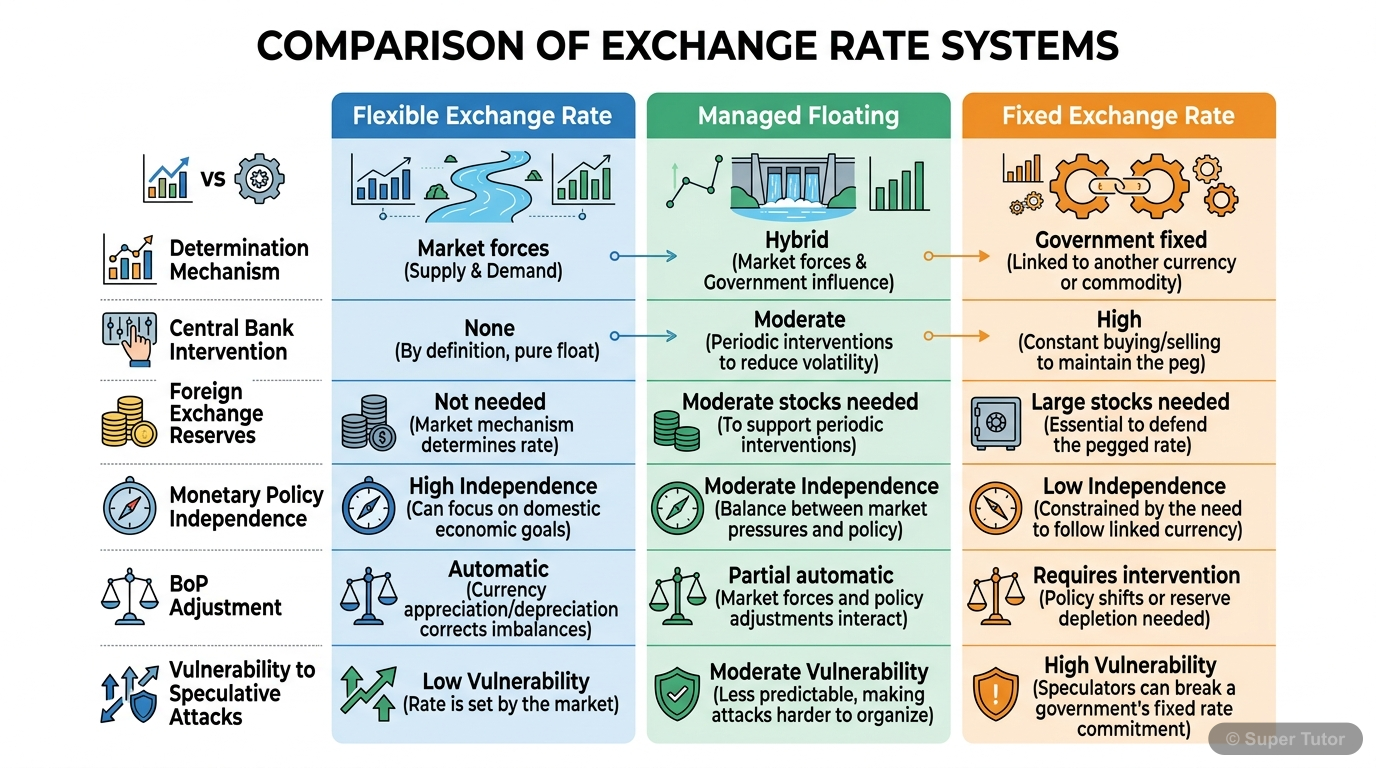
Super Tutor has 9+ illustrations like this for Bricks, Beads and Bones (The Harappan Civilization) alone — flashcards, concept maps, and step-by-step visuals.
See them allWhat are the three main phases of the Harappan Civilization and their time periods?
Answer
1. Early Harappan (6000-2600 BCE) - Formative phase with small settlements and basic crafts 2. Mature Harappan (2600-1900 BCE) - Urban phase with planned cities and peak prosperity 3. Late Harappan (1…
Why is the civilization called both 'Harappan' and 'Indus Valley' Civilization?
Answer
It is called 'Harappan' because Harappa was the first site discovered and excavated. It is called 'Indus Valley' because most sites are located in the Indus river basin. However, many sites are also f…
Name the five major Harappan cities and their significance.
Answer
1. Rakhigarhi (India) - Largest Harappan site 2. Mohenjodaro (Pakistan) - Best preserved, famous for Great Bath 3. Harappa (Pakistan) - First discovered site 4. Dholavira (Gujarat) - Unique water mana…
What crops did the Harappans cultivate, and how do we know about their agriculture?
Answer
Crops: Wheat, barley, lentil, chickpea, sesame, millets (in Gujarat), and limited rice. Evidence: Charred grains and seeds studied by archaeo-botanists, terracotta plough models, ploughed field at Kal…
Describe the standardized brick ratio used in Harappan construction and its significance.
Answer
Harappan bricks followed a standardized ratio of 4:2:1 (length:breadth:height). This means if height was 1 unit, breadth was 2 units, and length was 4 units. This standardization across all Harappan s…
What were the key features of Harappan urban planning as seen in Mohenjodaro?
Answer
1. Two-part division: Citadel (higher, smaller) and Lower Town (larger, lower) 2. Grid pattern streets intersecting at right angles 3. Advanced drainage system with covered drains 4. Houses built on r…
What was the Great Bath of Mohenjodaro and what was its probable purpose?
Answer
The Great Bath was a large rectangular water tank (12m x 7m x 2.4m deep) located on the Citadel. Features: watertight construction with bricks set in gypsum mortar, steps on north and south sides, sur…
How did Harappan houses reflect concern for privacy and hygiene?
Answer
Privacy: No windows at ground level facing streets, main entrance didn't provide direct view of interior/courtyard, rooms centered around private courtyards. Hygiene: Every house had private bathroom …
+12 more flashcards available
Practice AllFrequently Asked Questions
What are the important topics in Bricks, Beads and Bones (The Harappan Civilization) for Madhya Pradesh Board Class 12 History?
How to score full marks in Bricks, Beads and Bones (The Harappan Civilization) — Madhya Pradesh Board Class 12 History?
How many flashcards are available for Bricks, Beads and Bones (The Harappan Civilization)?
Sources & Official References
Content is aligned to the official syllabus. Refer to the board website for the latest curriculum.
More resources for Bricks, Beads and Bones (The Harappan Civilization)
Important Questions
Practice with board exam-style questions
Syllabus
What topics to cover
Revision Notes
Key points for last-minute revision
Study Plan
Step-by-step plan to ace this chapter
Formula Sheet
All formulas in one place
Chapter Summary
Understand the chapter at a glance
Practice Quiz
Test yourself with a quick quiz
Concept Maps
See how topics connect visually
For serious students
Get the full Bricks, Beads and Bones (The Harappan Civilization) chapter — for free.
Quizzes, flashcards, AI doubt-solver and a step-by-step study plan for Madhya Pradesh Board Class 12 History.